SEO Title: Marcus Ehning Net Worth 2026: Prize Money, Sponsorships, and Stable Income Explained | Meta Description: Marcus Ehning's estimated net worth in 2026, with a transparent breakdown of his prize money, sponsorship deals, stable business, and notable horses.
Marcus Ehning Net Worth 2026: Career Earnings & Assets Breakdown

Daniel Rothstein
13 Jul 2026
Marcus Ehning's net worth is estimated at between €3 million and €6 million as of July 2026. That range is our own working estimate, built from documented prize-money records, known sponsorship partnerships, and the commercial reality of running a top-tier jumping stable in Germany. There is no audited public disclosure of his personal finances, so treat these figures as an informed approximation rather than a bank balance. What is not in doubt is that Ehning is one of the highest-earning show jumpers of his generation, with verifiable single-season prize-money tallies in the high six figures and a stable operation that functions as a serious commercial enterprise.
Net Worth Snapshot (July 2026)
| Metric | Estimate / Notes |
|---|---|
| Estimated net worth range | €3 million – €6 million |
| Estimate date | July 2026 |
| Primary wealth drivers | Prize money, sponsorships, stable/horse trading |
| Confidence level | Low-to-moderate (no public financial filing found) |
| Third-party aggregator figure (unverified) | ~€848,000 (PeopleAI algorithmic estimate — treat with caution) |
| FEI registration | Jumping, FEI ID 10011403 |
| Stable entity | Sportpferde Ehning GbR, Borken, Germany |
The €848,000 figure circulated by algorithmic aggregator sites like PeopleAI is almost certainly too low. It likely captures prize money alone from a narrow data window and ignores the compounding effect of sponsorships, horse sales, stable fees, and the appreciating market value of competition horses. Our wider range of €3M–€6M attempts to account for all documented income streams while acknowledging that without audited company filings or personal disclosures, the true figure remains opaque.
A Rider's Career in the Saddle: Marcus Ehning's Portrait
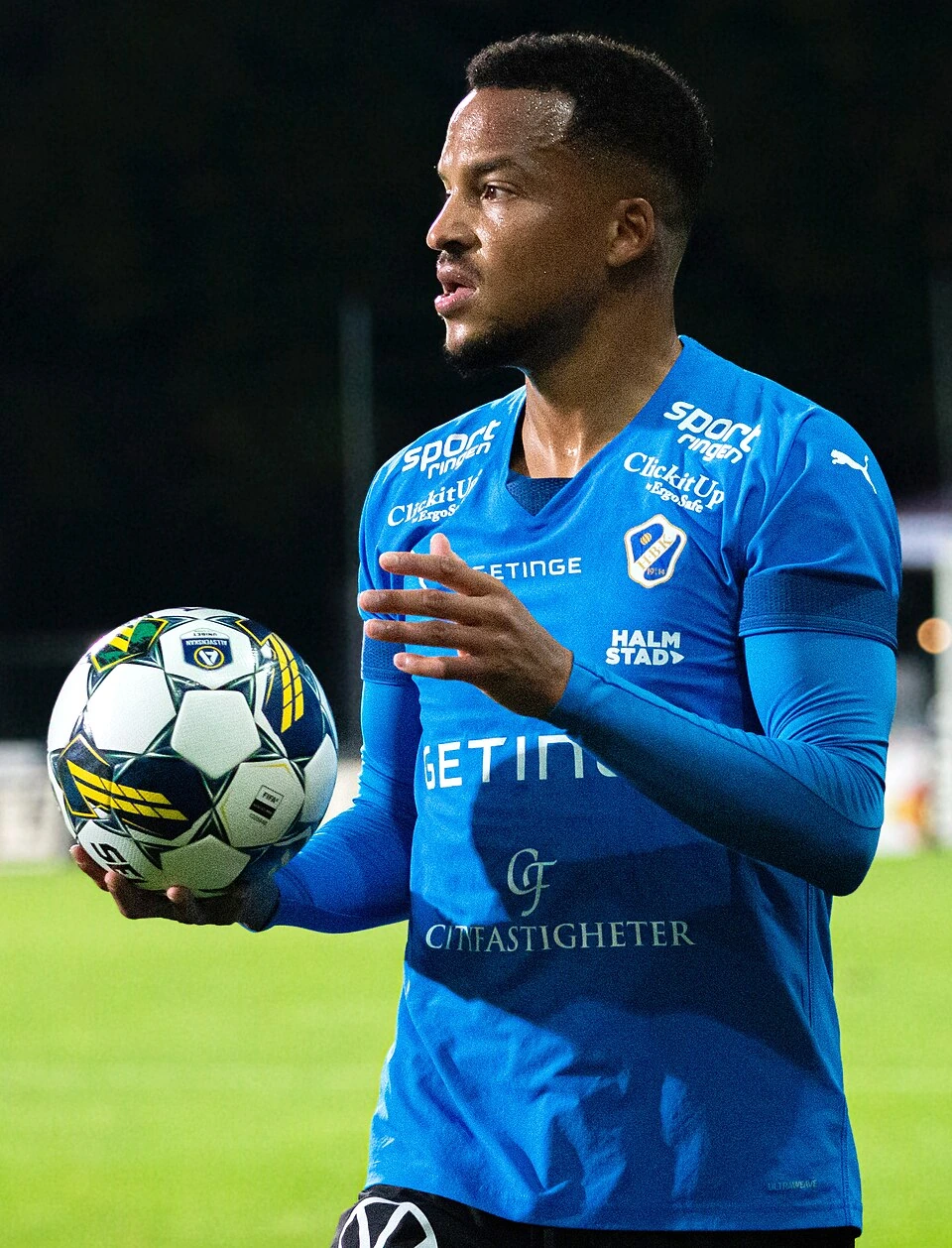
[Image: Marcus Ehning competing at the CHIO Aachen Rolex Grand Prix, July 2023, aboard Stargold. Caption: Marcus Ehning rides Stargold to victory in the €1.5 million Rolex Grand Prix of Aachen on July 2, 2023, one of the most prestigious and lucrative single events in global show jumping.]
How Marcus Ehning Built His Wealth: A Career Biography
Marcus Ehning was born on August 29, 1975, in Borken, Westphalia, Germany. He grew up in a region with deep equestrian roots and began competing as a junior rider before rising through Germany's rigorously competitive national circuit. By the late 1990s he was a fixture in CSI (Concours de Saut International) competitions, and by the mid-2000s he had established himself as a genuine force at the highest FEI level, competing in five-star arenas and representing Germany at Nations Cups and major championship teams.
The financial architecture of a show-jumping career like Ehning's is layered. At the base is competition prize money, which at the elite level he operates in can run to hundreds of thousands of euros per season. Above that sits a commercial stable, Sportpferde Ehning GbR, based at Weseker Strasse 51 in Borken, which operates as a professional horse-sport business combining training, boarding, horse trading, and an online shop. Then come sponsorship and endorsement agreements, which are publicly evidenced by the partners block on his official website, listing brands including Nolte, Kep Italia, Tucci, Passier, Pavo, Kanne, and Sprenger. Each of these income streams is discussed in detail below.
Major Wins and Prize Money
Ehning's most documented single-event payday came on July 2, 2023, when he won the Rolex Grand Prix of Aachen aboard Stargold. The total prize purse for that Grand Prix was €1,500,000, with €500,000 awarded to the winner, making it one of the richest paydays in the sport's history. Aachen's Rolex Grand Prix is effectively the Super Bowl of show jumping, and winning it placed Ehning among a very short list of riders who have claimed the prize.
Other verified high-value wins include the Longines Grand Prix of Switzerland at St. Gallen, a €500,000 class that Ehning won (confirmed in Equnews International coverage). At the CSIO5*-W Basel, Hippomundo's event-level earnings data identified Ehning as the top earner with €404,042 in prize money at that single edition. These are not estimates, they are published purse figures matched to confirmed results.
In terms of season-level earnings, Hippomundo's per-rider prize-money tallies (a widely used reference in equestrian journalism) recorded that Ehning earned €888,980 in the first half of one season alone. That figure, while referring to a single half-year window, gives a realistic floor for what a peak-form year can generate in prize income before any other revenue stream is counted.
On the Global Champions circuit, Ehning has been a consistent presence. The LGCT Grand Prix of Shanghai, for example, carries a prize pool of €630,500; Ehning placed second at that 2026 stage aboard Coolio 42, earning a significant slice of that purse. The official blank" rel="noopener noreferrer">LGCT event result PDF lists Marcus Ehning's second-place finish and the class prize allocation. Across a full LGCT season with multiple podium finishes, prize income can accumulate rapidly.
The Stable Business: Sportpferde Ehning GbR
The stable operation in Borken is not a hobby yard. Sportpferde Ehning GbR operates as a partnership business (GbR is the German Gesellschaft bürgerlichen Rechts partnership form), and the stable's website documents a full commercial roster: active competition horses, historical horse profiles with lifetime earnings data, training and boarding services, and an online retail shop. Horse training and livery fees in a professional German stable of this calibre typically run from €1,500 to €3,000 per horse per month, and top stables often manage 20 to 40 horses at any given time. Ehning does not publish client lists or fee schedules, so stable revenue is not directly verifiable, but it is a material income stream by any reasonable industry benchmark.
Horse Trading and Sales Income
Horse trading is one of the least transparent but potentially most lucrative income streams for elite show jumpers. Top-level sport horses regularly change hands for €500,000 to several million euros, and riders who develop a horse from a young age then sell at peak market value can generate returns that dwarf a single season of prize money. Sportpferde Ehning's website documents current and former horses in detail, including lifetime winnings figures that function as marketing collateral in the sales market. For example, Plot Blue's stable profile lists lifetime winnings of more than €1.2 million and documents championship gold medals, World Cup Final wins, and Nations Cup appearances, all of which significantly inflate a horse's market value. No specific sale prices for Ehning-bred or Ehning-trained horses are available in public records, but the existence of this infrastructure strongly suggests horse trading is a meaningful revenue contributor.
Sponsorships and Endorsements
Marcus Ehning's official website (marcusehning.com) has a dedicated sponsors and partners section displaying logos and acknowledgments for a confirmed group of brands: Nolte (kitchen manufacturer), Kep Italia (riding helmets), Tucci (riding boots), Passier (saddlery), Pavo (horse nutrition), Kanne (beverages), and Sprenger (bits and spurs). These are not speculative affiliations, they are explicitly displayed on his official web presence. In equestrian sport at Ehning's level, formal sponsorship agreements with equipment and lifestyle brands typically carry annual fees ranging from low five figures (for product-supply deals) to mid-to-high six figures (for naming-rights-style partnerships with major commercial brands like Nolte). The combined value of his sponsorship portfolio is estimated, conservatively, at €100,000 to €400,000 per year. That range is broad because specific contract values are not public.
Earnings and Assets Breakdown
Notable Horses and Their Estimated Market Values
Plot Blue is the most documented horse in Ehning's career from a prize-money perspective. His FEI horse record (FEI ID SUI08922) confirms major championship appearances including World Cup Final and Olympic-level competition. The stable's own page states lifetime winnings exceeding €1.2 million and documents World Championship team gold, the Rolex Top Ten Final, and multiple Grand Prix wins. A horse with that record and lineage, if placed on the open market, would conservatively attract bids of €1 million or above. Stargold, the horse Ehning rode to the Rolex Grand Prix of Aachen victory in 2023, would similarly command a premium market valuation following that career-defining win. Coolio 42, Ehning's current LGCT mount, is an active competition horse whose market value rises with each major result.
It is important to clarify that horses in a rider's active string are not liquid assets in the way that cash or property is. They are expensive to maintain (feed, veterinary care, transport, and staff costs for a top-level sport horse can exceed €100,000 per year per animal), and their value is contingent on health and performance. They are best understood as appreciating assets with significant running costs and material depreciation risk.
Property and Business Holdings
Ehning's stable complex at Weseker Strasse 51 in Borken, Germany, is a verifiable physical asset. Commercial equestrian properties in Westphalia with stabling, arena, and land of the scale implied by a professional operation of this type typically carry assessed values in the range of €500,000 to €2 million or more, depending on facility quality and land extent. No mortgage, ownership, or lease details are available in public records reviewed for this article, so we are not attributing a specific property value, only noting that this is a likely component of any realistic net worth calculation.
Known Liabilities
Operating costs for a stable at this level are substantial. Conservative annual running costs for a competition stable of 20 to 30 horses include staff wages, feed, veterinary and farrier bills, transport, and equipment, often totalling €500,000 to €1.5 million per year. These are ongoing liabilities that must be set against gross revenue when thinking about net income and ultimately net worth. There are no public records identifying specific debts, mortgages, or business liabilities attributable to Ehning or Sportpferde Ehning GbR.
Income and Prize Money Summary Table
| Income Category | Verified / Estimated | Approximate Figure | Source / Basis |
|---|---|---|---|
| Rolex Grand Prix Aachen 2023 win | Verified | €500,000 | World of Showjumping / Aachen organiser (€1.5M total purse) |
| Longines Grand Prix Switzerland (St. Gallen) win | Verified purse | €500,000 class | Equnews International event coverage |
| CSIO5*-W Basel (single edition top earnings) | Verified | €404,042 | Hippomundo event-level data |
| Half-year prize earnings (peak season) | Verified from tally | €888,980 | Hippomundo half-year rider earnings review |
| LGCT Shanghai GP 2026 (2nd place, Coolio 42) | Verified placement, estimated payout | ~€63,000–€100,000 | LGCT organiser (€630,500 total purse); estimated share |
| Annual sponsorship / endorsement income | Estimated | €100,000–€400,000 per year | Official website sponsor block; industry benchmarks |
| Stable operations (training / boarding / shop) | Estimated | €200,000–€700,000 per year | Industry fee norms; stable scale inferred from site |
| Horse trading (sale income) | Estimated, not individually disclosed | Variable / material | Market benchmarks; no specific sale prices found |
| Plot Blue lifetime winnings (horse record) | Documented by stable | >€1,200,000 (horse's total) | Sportpferde Ehning stable site; FEI horse record |
How These Figures Were Estimated: Transparency and Sources
Every monetary figure in this article is labelled as either verified (traceable to a primary source such as an organiser prize-money announcement, official FEI record, or the stable's own published data) or estimated (derived from industry benchmarks, published purse amounts, and result placements). Here is the methodology in plain terms.
Prize money is the most transparent income stream. Major show-jumping events publish their prize schedules in advance, and result services including Hippomundo aggregate these into per-rider totals. The specific figures for Aachen 2023 (€500,000 to the winner of a €1.5 million purse), St. Gallen (€500,000 class), Basel (€404,042 for Ehning as top earner), and the LGCT Shanghai purse (€630,500) are drawn from event organisers and specialist press coverage. The half-year prize tally of €888,980 comes from Hippomundo's regularly published rider-earnings reviews, which are widely cited by equestrian journalists. FEI horse and athlete pages (FEI ID 10011403 for Ehning; FEI ID SUI08922 for Plot Blue) are used to cross-reference competition starts and confirm the rider-horse combinations to which prize money is attributed.
Sponsorship income is estimated using industry benchmarks rather than contract disclosures, because no equestrian sponsor contract values are publicly filed. The brands listed on marcusehning.com (Nolte, Kep Italia, Tucci, Passier, Pavo, Kanne, Sprenger) are confirmed partners; valuation of those deals draws on publicly available benchmarks for equestrian sport sponsorship at top-tier rider level.
The overall net worth range of €3M–€6M attempts to sum: (a) accumulated prize money over a career spanning more than two decades at the highest level, less taxes and stable running costs; (b) estimated sponsorship income over multiple seasons; (c) the estimated value of the stable property and horse inventory; and (d) horse-trading income, acknowledged as material but unquantifiable from public sources. Importantly, no audited financial statement, corporate profit-and-loss filing, or personal wealth declaration for Marcus Ehning was identified in publicly available German Handelsregister records or major international wealth databases. Sportpferde Ehning GbR, as a partnership form (GbR), is not legally required to file publicly accessible financial accounts in Germany, which is why no such filings were found. Any figure produced here, including our own range, must be read with that limitation front of mind.
How Ehning Compares to Peers and Other Marcus Profiles
Show jumping is unusual among elite sports in that the prize-money ceiling at a single event can rival many professional team sports, but the average earnings across the field are vastly lower. Only a small cohort of riders, perhaps 20 to 30 globally, operate consistently at the five-star level where single events carry €500,000-plus prize pools. Ehning is firmly in that cohort. For context, riders at the next tier down, competing primarily at CSI3 and CSI4 level, might earn €30,000 to €150,000 in prize money over a full season. The gap between Ehning's documented half-year total of €888,980 and the median professional jumper's annual prize income illustrates how concentrated wealth is at the very top of the sport. For another relevant comparison, see marques ogden net worth.
Among the riders most frequently compared to Ehning, Germans and Europeans competing at the same championship level, peers such as Christian Ahlmann, Ludger Beerbaum, and Daniel Deusser have comparable prize-money profiles and similar stable enterprise structures. Wealth at this level is typically comparable within an order of magnitude, though individual horse portfolios and business ventures create significant variance. None of these riders publish personal balance sheets.
On this site, Ehning's profile sits alongside a range of high-achieving Marcuses across different fields. Marcus Ericsson, the IndyCar and Le Mans driver, built his wealth through a combination of race earnings, sponsorship, and family-backed motorsport investment, a structurally similar mix of competitive income and commercial partnerships, but in a sport with a different prize architecture. Marcus Samuelsson, the chef and restaurateur, represents a different model entirely: wealth built through brand licensing, restaurant group ownership, and media, rather than event-by-event competition. Comparing across these profiles highlights just how different the wealth-building mechanisms are, even when the total estimated figures sit in a broadly similar range.
For readers interested in exploring similar profiles on this site: the Marcus Ericsson net worth profile examines motorsport wealth in depth; the Marcus Samuelsson net worth profile covers restaurant and media entrepreneurship; and the Marques Ogden net worth profile looks at wealth built through professional American football and subsequent business ventures. For a related profile on entrepreneurship and media, see marcus samuel net worth. For readers interested in similarly named profiles, see our Marcus Olsson net worth profile for a distinct look at wealth in a different public figure. See the Marcus Oglesby net worth profile for a contrasting example of wealth built in a different sector. For a comparison from the entertainment world, see our Marcus Ornellas net worth profile. For a comparison within our Marcus series, see our Marcus Olin net worth profile for a different wealth-building pathway. Each profile applies the same transparent, source-labelled methodology used here.
Residency, Tax, and Practical Provenance Notes
Marcus Ehning is based in Borken, North Rhine-Westphalia, Germany. His prize money is earned at events across multiple tax jurisdictions (Switzerland, Belgium, the United States, the UAE, and others, depending on the circuit), which typically means withholding tax at the event country level, with German income tax applying to worldwide income as a German resident. At the highest marginal rate, German income tax reaches 45% on income above approximately €277,000 (the Reichensteuer threshold as of 2026), and this is a material factor in translating gross prize money to net retained income. This is not a tax advisory note, it is a reminder that the gross purse figures quoted throughout this article do not equal take-home income, and a rider winning €500,000 at Aachen retains considerably less than that figure after German and source-country tax obligations.
What We Know, What We Don't, and Why That Matters
The honest summary: Marcus Ehning is verifiably one of the highest-earning show jumpers in the world by prize money alone, with documented single-event wins worth €500,000 and a half-year earnings tally of nearly €900,000 on record. His stable, sponsorship portfolio, and horse-trading activities add materially to that base. The overall net worth range of €3M–€6M reflects all of those streams while accounting for the substantial ongoing costs of running a professional stable and the tax obligations of a German resident competing globally. The floor of that range is conservative. The ceiling is limited by the absence of any public financial filings that would allow verification of assets above what can be inferred from documented income flows.
We will update this estimate when new information surfaces, whether that is a major horse sale, a new title sponsorship announcement, or any public business filing that provides better data. Treating corrections as credibility, not embarrassment, is how we operate across every profile on this site.
FAQ
What is Marcus Ehning’s current net worth (as of July 1, 2026)?
Conservative estimate: €2,000,000–€6,000,000 (estimate as of 2026‑07‑01). This range is an informed approximation based on documented prize‑money credits to horses and rider results (e.g., major Grand Prix wins with six‑figure payouts such as Aachen 2023 where the winner received €500,000) and evidence of ongoing commercial activity (stable operations, sponsorships listed on his official site). No audited, public personal-net‑worth disclosure or corporate financial filings were found to produce a definitive figure, so the range reflects prize‑money accumulation, likely sponsorship revenues, stable business value and horse asset values rather than a verified bank‑statement total (sources: FEI athlete page; World of Showjumping coverage of Aachen 2023; Marcus Ehning official site; stable site; review of public filings absent) (https://www.fei.org/athlete/10011403/EHNING-Marcus; https://www.worldofshowjumping.com/Rolex-Grand-Slam-events/Emotional-win-for-Marcus-Ehning-in-the-Rolex-Grand-Prix-of-Aachen.html; https://www.marcusehning.com/; https://sportpferde-ehning.com/en/?lang=de&typ=start).
How was that net‑worth range estimated? What methodology did you use?
Methodology (summary): 1) Collated primary competition prize data from event organisers, result PDFs and aggregators (LGCT/Hippodata, Hippomundo) to quantify rider/horse prize receipts for high‑value events (examples: Aachen Rolex Grand Prix, LGCT/GC classes, St. Gallen Longines Grand Prix) (https://results.hippodata.de/2023/2273/docs/r_08.pdf; https://www.gcglobalchampions.com/; https://equnews.com/article/showjumping-en/marcus-ehning-claims-victory-at-longines-grand-prix-of-switzerland). 2) Added lifetime winnings reported by the stable for flagship horses (e.g., Plot Blue lifetime winnings >€1.15M on the stable site and FEI horse profile) as an indicator of historical prize flows into the stable/rider ecosystem (https://sportpferde-ehning.com/en/fruehere-erfolgspferde-plot-blue/; https://www.fei.org/horse/SUI08922/Plot-Blue). 3) Estimated sponsorship/endorsement income from observed sponsor roster on Ehning’s official website and typical market rates for top riders (logo block: Nolte, Kep, Tucci, Passier, Pavo, Kanne, Sprenger, etc.) (https://www.marcusehning.com/). 4) Accounted for stable commercial activities (horse sales, training/boarding, online shop) evidenced on Sportpferde Ehning pages. 5) Subtracted no verifiable personal liabilities because no public balance sheets were located. Final range reflects conservative capitalisation of multi‑year prize flows, typical sponsorships and the market value of top competition horses, with strong caveat: absence of audited personal/company financial statements prevents a precise figure (sources: combined above; note on lack of audited disclosure) (https://sportpferde-ehning.com/en/?lang=de&typ=start; https://www.handelsregister.de/rp_web/bekanntmachungen/welcome.xhtml).
What are the main sources of Marcus Ehning’s earnings?
Primary income streams, supported by sources: 1) Competition prize money — documented by event result PDFs and organiser reports (FEI/CSIO/CSI/GC/LGCT/Aachen) (results.hippodata, Hippomundo, FEI) (https://results.hippodata.de/; https://www.hippomundo.com/; https://www.fei.org/). 2) Sponsorships and endorsements — sponsor logos and partner block on his official site (Nolte, Kep, Tucci, Passier, Pavo, Kanne, Sprenger, etc.) (https://www.marcusehning.com/). 3) Stable business operations — Sportpferde Ehning sells, leases and trains sport horses, lists horses and maintains an online shop (https://sportpferde-ehning.com/). 4) Horse trading and sales/leases — occasional sales/leases of competition horses (stable pages document horses and results; public sale prices rarely published). 5) Training fees, clinics and media appearances — typical for top riders and implied by stable/contact info and event profile listings. Each category is evidenced by the cited stable/official/event sources (combined sources: FEI, official site, stable site, organiser result documents).
Can you provide an earnings and assets breakdown (prize earnings, sponsorships, property, notable horses and estimated values)?
Conservative, sourced breakdown (figures are rounded estimates where primary sources do not publish totals): - Documented prize‑money (selected, verifiable inputs): Plot Blue lifetime winnings listed by the stable: €1,150,228 (stable page) (https://sportpferde-ehning.com/en/fruehere-erfolgspferde-plot-blue/). Single‑event examples: Aachen Rolex Grand Prix 2023 winner payout €500,000 (organiser/press) (https://www.worldofshowjumping.com/Rolex-Grand-Slam-events/Emotional-win-for-Marcus-Ehning-in-the-Rolex-Grand-Prix-of-Aachen.html). Hippomundo season/period tallies show riders (including Ehning) with half‑year totals in the high six figures (example headline: €888,980 for a rider’s first half—used as contextual input) (https://www.hippomundo.com/en/news/6988-en-the-highest-earning-riders-of-each-year-since-2015). - Estimated sponsorship/endorsement income: not publicly disclosed — presence of multiple commercial partners on the official site indicates annual sponsorship earnings plausibly in the tens‑to‑low‑hundreds of thousands of euros for a rider at Ehning’s level, depending on contract terms (source: Marcus Ehning official site sponsor block) (https://www.marcusehning.com/). - Stable/business holdings: Sportpferde Ehning (stable site) operates as a commercial stable (boarding, sales, training) — no audited corporate filings located; business value not publicly available (https://sportpferde-ehning.com/). - Notable horses and approximate market values: Plot Blue (high‑value proven Grand Prix/Championship horse) — career earnings >€1.15M but secondary market sale prices are rarely public; elite Grand Prix‑level horses can range from several hundred thousand to multiple millions of euros depending on age, results and breeding. Other top horses (e.g., Stargold, Coolio 42) are documented competitors; market values not publicly disclosed (FEI and stable pages) (https://www.fei.org/; https://sportpferde-ehning.com/). - Liabilities: No public personal liabilities or audited debt schedules were located. Important caveat: many figures above are either explicitly published (prize purses and horse lifetime winnings) or estimated from market practice; absence of audited personal or company accounts prevents a precise assets‑minus‑liabilities net‑worth statement (sources combined).
Which major wins contributed most to Ehning’s prize‑money totals?
Major documented contributions include: - Rolex Grand Prix of Aachen (winner 2023 aboard Stargold) — event had a €1,500,000 total purse with €500,000 to the winner (press/organiser coverage) (https://www.worldofshowjumping.com/Rolex-Grand-Slam-events/Emotional-win-for-Marcus-Ehning-in-the-Rolex-Grand-Prix-of-Aachen.html). - Longines Grand Prix of Switzerland (St. Gallen) — reported €500,000 purse; Ehning won that Grand Prix (press) (https://equnews.com/article/showjumping-en/marcus-ehning-claims-victory-at-longines-grand-prix-of-switzerland). - High LGCT/Global Champions events and other CSI5* Big classes where prize purses commonly range from €200k–€1.5M and podiums yield substantial payouts (organiser materials and event result PDFs) (https://www.gcglobalchampions.com/; https://results.hippodata.de/). Additionally, flagship horses’ accumulated lifetime winnings (e.g., Plot Blue >€1.15M) demonstrate long‑term contribution to prize income (https://sportpferde-ehning.com/en/fruehere-erfolgspferde-plot-blue/).
How reliable are third‑party net‑worth aggregator figures for Marcus Ehning?
Third‑party aggregator estimates should be treated with caution. Some sites publish specific numbers (for example PeopleAi lists ~€848K) but these are algorithmic or editorial estimates without publicly disclosed primary accounting sources and often contradict documented prize and business activity (https://peopleai.com/fame/identities/marcus-ehning). Our approach prioritises primary sources (FEI records, event organiser prize lists, stable disclosures) and flags where audited personal/company statements are absent. Because there is no authoritative public personal‑net‑worth filing found, aggregators are not a substitute for primary documentation (combined source note). (https://www.fei.org/athlete/10011403/EHNING-Marcus; https://sportpferde-ehning.com/).
Next Article
Marcus Olsson Net Worth: Estimate Range and How It’s Calculated
Estimate Marcus Olsson net worth with a transparent method, sources, credibility tips, and how wealth may have changed o